Understand what ESG practices are



What is ESG anyway?
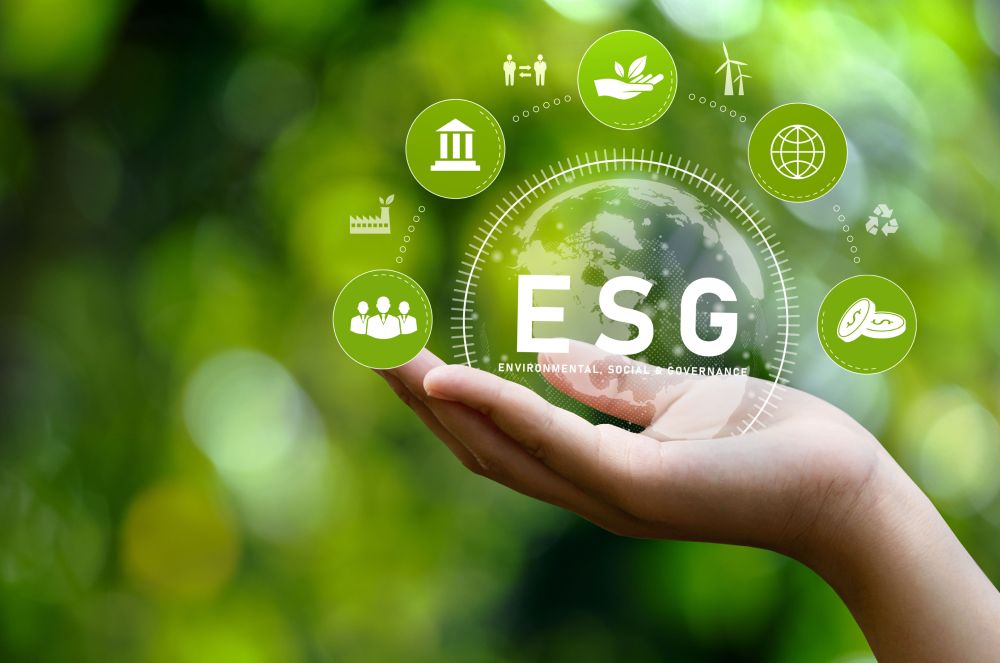
ESG stands for Environmental, Social and Governance. In general, ESG shows how much a business is looking for ways to minimize its impact on the environment, build a fairer and more responsible world and maintain the best management processes.
The term ESG first appeared in a 2004 report by the United Nations (UN) called Who Cares Wins. The acronym ESG unites three concerns that companies should have:
Environmental
This refers to the practices and principles adopted by the company to conserve the environment.
Environmental practices include
- Search for sustainable alternatives to reduce the impact on the environment;
- Reduction in the emission of pollutants;
- Good practices with packaging, generation, care and disposal of plastics and other materials;
- Correct management of waste disposal.
Social
This concerns the relationship the company has with the people around it.
We can highlight some social practices:
- Adherence to labor rights;
- Valuing health and safety in the workplace;
- Support for diversity and inclusion;
- Positioning the company in social causes and projects;
- Acting with the community.
Governance
The way in which the company manages its processes, with a focus on transparency.
Below are some governance practices:
- Adoption of policies to control processes;
- Behavior and institutional policy related to anti-corruption practices, money laundering and slave labor, for example;
- Transparency in the directors' remuneration policy;
- Values, moral stance and business ethics;
- Valuing accountability and corporate responsibility;
- Veracity of information on the company's products and processes.
Advantages and good practices
As well as being a competitive differentiator and attracting investors to your business, good ESG practices bring the following advantages:
- Companies with ESG actions run less risk of facing legal, labor and fraud problems;
- Reduced operating costs and productivity gains;
- Loyalty of customers who value the consumption of sustainable products and services;
- Improved brand image and reputation;
- Issuing green bonds, which are debt securities for projects that have a positive impact on the environment;
- Access to green credit lines;
- Improved satisfaction rates, attraction and retention of talent.
More than just a trend, ESG practices are competitive factors in the business environment in general. Society and the market look favorably on companies that practice ESG actions and are concerned about environmental, social and governance issues.
Source: SEBRAE
Do you want to keep a close eye on ESG practices in industry? Follow us on social media!
BLOG &CO.